CyberSmarts for Seniors: Interview with Hazel Philadelphia
 Admin
Admin 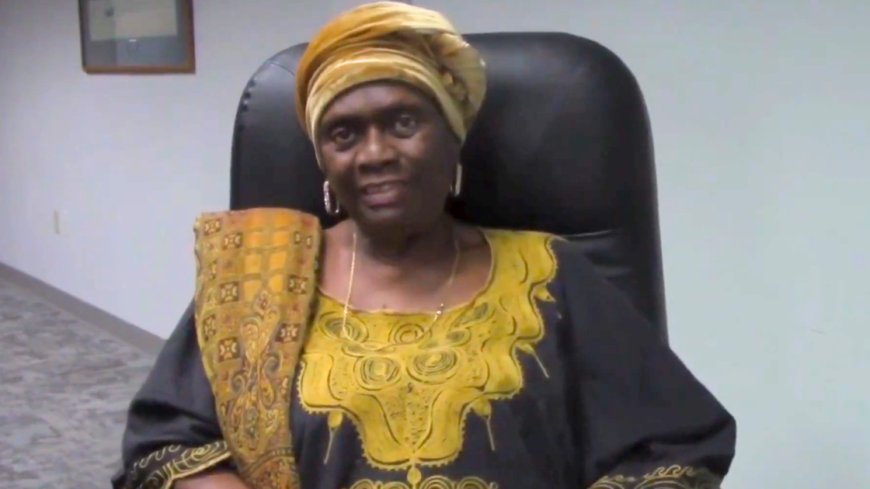
Our CyberSmarts for Seniors Project provided older adults with guidance in using mobile devices and computers to navigate the Internet confidently and safely. Here, Hazel Philadelphia, one of the participants, opens up about their technology journey—from the days of WordStar to today's smartphones—sharing candid reflections on learning, staying safe online, and why it's never too late to embrace the digital world.
Transcript:
During my years working, I used computers extensively. Started off with WordStar, WordPerfect, all the various programs. As a retiree, I want to keep up to date, and to get the latest information, and be apprise of all that's going on, to help me to protect myself, and to expand my knowledge in the system.
Interviewer: Normally, who helps you with the technology?
My son, he is a computer guru, so I rely on him extensively.
Interviewer: What would you tell other seniors who are saying, "That's not for me," for smartphones and computers?
I would ask them to get the knowledge, to use them effectively. So, keep coming to ELNOS, [for the CyberSmarts for Seniors Project] and learning all the techniques, and the tricks, and traits of using these smartphones and computers, laptops, and technology.
Interviewer: What's your favourite thing to do on, like, the smartphone or the laptop, desktop computer? What do you love?
Games, obviously, but most importantly, is the ability to do my banking and get information, because in this area, of the weather, it's important that you have access to information, and do your banking, and your bills, and everything, before having to go out into the climate. When it's snowing, it's very slippery, especially for the elderly people, so it's safe to do it in your home.
Interviewer: Tell me how technology made life easier for you.
It has made my life easier because you can browse, you can Google, you can search, you can get the weather, you can get the news, and you can be keep up to date with all that's going on, especially in your personal life, and it's a good tool for learning.
Interviewer: Do you remember the first mobile phone that you had?
The first mobile phone was very big and clumsy. The information to get from it was just to dial a number and receive a call; that was it.
Interviewer: How do you feel about the smartphone today, where it's, you know, virtually a computer that you hold in your hand?
Yeah, it's very convenient because you don't have to go to the major computer, and you can access it anywhere, and you can get all the information. And all the apps that you use on your regular computer is quite readily available on the smartphones.
Interviewer: Have you ever received a suspicious phone call, or text message, or email?
Yes, I've received many suspicious calls. Example, from CRA, or about your computer not operating properly. And the main thing is to be calm, not panic, and take action by disconnecting the call.
Interviewer: Why do you think it's important for seniors to learn about the Internet?
Based on the communication you get from the neighbours and people around you, that they just received a call, or they got, they got money stolen from the bank, and things. And coming to ELNOS [for the CyberSmarts for Seniors Project] gives them the opportunity to understand the uses of using the smartphones and these technology, and how to protect themself, especially using the… your passwords, keeping things safe, not divulging things to people on the phones.
I would say every day is getting smart, to, to take away people's money or their livelihood, and, without the knowledge of knowing how to protect yourself, it makes you very vulnerable.
You're not too old, because it's being forced upon you. For example, the way the banks operate — everything, to get even, to be able to shop, you have to be able to navigate and to know how to use the technology. So, not to be afraid; just get the education necessary to use it effectively.
One of the surprising things is that, when you are out and you are not protecting yourself, that you can have people take your data, without having the VPN and stuff like that to protect you. You’re very vulnerable, so don't think that you're that smart, and you're that confident. You have to know what they are doing, and how you can help to protect yourself from being a victim.
Interviewer: What keeps you motivated to keep learning new things, particularly on your phone or your computer?
It takes away from the boring life. It gets you out, to be among people, and it's very important for us seniors to socialize. Socialization for seniors is very important, and learning at the same time is a bonus.
Interviewer: Has the class changed anything about how you feel about smartphones and computers?
I have more confidence in using them, and I find that the class is, because we're here, we share, and we get other people's problems, and is… we're able to solve them, and we're able to take away the fear of using the technology, and it's good for sharing and learning.
One thing I found, not only about the use of smartphones and the technology, is the use and availability of resources for seniors within the community, and, to me, that is very, very important.
.

This resource is part of the CyberSmarts for Seniors Project, funded in part by the Government of Canada’s
New Horizons for Seniors Program and ELNOS, and delivered in Elliot Lake by Raknas Inc. and Golden Voices, the seniors-focused division of the DiversityCanada Foundation.
.