Stop All Scams: Practical Protection Strategies for Seniors
Discover daily protection habits that work against all scams. Learn verification methods, identify dangerous payments, and trust your judgment.
 Admin
Admin 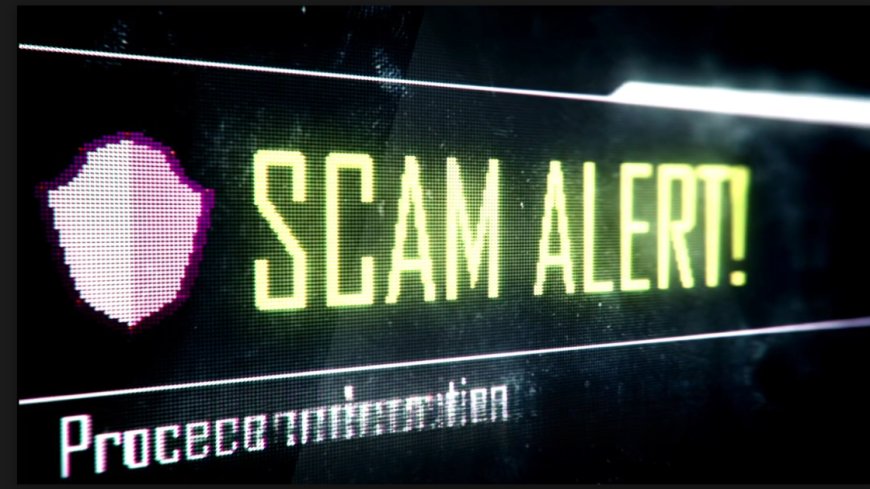
Welcome back to CyberSmarts for Seniors. This series is created especially for seniors who want to stay safe, confident, and connected in today's digital world.
In our previous videos, we've explored many different types of scams - from phone calls and emails to sophisticated AI technology. Now it's time to give you practical tools you can use every single day to protect yourself.
The most important tool is this: slow down.
Scammers create urgency because they know if you take time to think, you'll realize something's wrong. They'll say "This offer expires in one hour" or "Your account will be closed today" or "We need payment immediately to avoid arrest." All of these are designed to make you panic and act without thinking.
Here's what you need to remember. Legitimate organizations give you time. Your bank gives you time. The government gives you time. Real companies understand people need to make informed decisions.
If your bank account really had a problem, they would send written notices. If you owed taxes, Revenue Canada would send official letters.
What to say when someone pressures you? "I need to think about this." That's a complete sentence. "I need to discuss this with my family." A legitimate person will respect this. A scammer will push back. "I'll call you back after I've considered this." Then hang up.
Remember, you are always in control. You can always hang up. You can always say no. You can always take more time.
Before giving personal information or money to someone who contacts you, verify who they are. Here's the golden rule. If someone contacts you unexpectedly asking for information or money, don't trust the contact method they're using. Instead, verify through a separate, trusted method.
Let me give you specific examples. Someone calls claiming to be from your bank? Don't give them any information. Hang up and call your bank using the phone number on the back of your bank card. Not the number the caller gave you, the number you know is real.
Someone emails you saying there's a problem with your account? Don't click any links in the email. Instead, open your web browser and type in your bank's website address yourself. Or call them directly.
Someone claims to be from a government agency? Hang up and call the official government number. You can find these on official government websites or by calling Service Canada.
Someone texts you about a package delivery problem? Don't click the link. Go directly to the shipping company's website or call them using a number you look up yourself.
The key is this. Always use a contact method you initiated, not one they gave you. This simple step stops most scams immediately.
Real companies and government agencies welcome verification. If someone gets angry or pushy when you want to verify their identity, that tells you everything you need to know.
Your personal information is like the keys to your house. You wouldn't hand your house keys to a stranger, and you shouldn't hand over your personal information either.
Here's what to protect. Your Social Insurance Number, your bank account information, your passwords, your credit card numbers, your date of birth, your mother's maiden name, and your OHIP number.
Never give this information over the phone unless you initiated the call to a number you trust. Never confirm personal details when someone calls you.
Here's a common trick. Someone calls and says "I just need to verify your address." It sounds harmless. But don't do it. Instead, ask them "What address do you have on file?" Make them tell you. If they're legitimate, they'll have your correct address already.
Be careful what you share on social media. Information about your grandchildren, your birthday, your hometown, your pets' names. Scammers collect all of this and use it to make their scams more convincing or to answer security questions.
Understanding safe and dangerous payment methods is crucial. Some payment methods offer protection, while others offer none.
Safe payment methods for people you know and trust. Credit cards offer excellent fraud protection. If someone makes an unauthorized charge, you can dispute it. Cheques can be stopped if necessary. Bank transfers through your bank's official website or app, when you're paying businesses you know and trust.
Dangerous payment methods. Never use these for anyone you don't know personally. Gift cards of any kind. This includes iTunes cards, Google Play cards, Amazon cards, any gift cards at all. No legitimate business or government agency accepts gift cards as payment. If someone asks for gift cards, it's always a scam. No exceptions.
Wire transfers like Western Union or MoneyGram. Once sent, these are nearly impossible to trace or recover. Cryptocurrency like Bitcoin. These transactions are permanent and untraceable. Prepaid debit cards or reloadable cards that someone asks you to buy and share the numbers. Mailing cash.
Here's a simple rule. If someone you don't know asks you to pay using any of the dangerous methods, it's a scam. It doesn't matter how convincing their story is.
Ask yourself this question. When was the last time you paid your hydro bill with iTunes gift cards? Never. When did you last pay your property taxes with Bitcoin? Never. These aren't real payment methods for legitimate transactions.
When you're unsure about whether something is legitimate, you have several options. You don't have to figure it out alone.
Visit offices in person when possible. If someone claims to be from your bank and you're not sure, visit your bank branch. If it's about government benefits, visit a Service Canada office. Face-to-face verification is the most reliable method.
Ask someone you trust for advice. Call a family member, a friend, or a neighbour. Explain what happened and get their perspective. Don't be embarrassed. Even the smartest people ask for second opinions.
Take time to research. If someone is offering an investment opportunity, research the company online. Look for reviews. Check with the Better Business Bureau.
Contact the organization directly using official contact information. If you get an email supposedly from your bank, don't reply to the email or click links in it. Instead, call your bank using the number you know is correct.
Remember, legitimate opportunities and legitimate problems can wait. If someone tells you that you must decide right now or the opportunity will disappear, let it disappear. Real opportunities don't work that way.
Your instincts are powerful. You've developed them over decades of life experience. When something feels wrong, it probably is.
Listen to that uncomfortable feeling when someone is pressuring you. Pay attention when something sounds too good to be true. Notice when someone is being evasive or won't answer direct questions.
If you feel confused or overwhelmed by technical language, that might be intentional. Scammers use confusion as a tool. If you feel rushed or pressured, that's a red flag.
If something feels too good to be true, amazing returns, incredible prizes, perfect romance, it deserves extra scrutiny. If someone tells you not to tell anyone else, that's a major warning sign. Why would a legitimate opportunity need to be kept secret from your family?
Here's something important. You don't owe strangers your politeness. Many of us were raised to be polite, to not hang up on people, to give everyone a fair hearing. But scammers exploit this politeness.
It's okay to hang up on someone who makes you uncomfortable. It's okay to say no without explanation. It's okay to protect yourself.
Let's review your protection toolkit. Slow down when anyone pressures you to act quickly. Time is your friend and the scammer's enemy.
Verify identity before sharing information. Always use a contact method you initiated, not one they provided. Protect your personal information like you protect the keys to your house.
Know the difference between safe and dangerous payment methods. Gift cards, wire transfers, and cryptocurrency are never legitimate payment methods for businesses or government.
When in doubt, visit in person, ask someone you trust, or take time to research. Trust your instincts. If something feels wrong, it probably is.
These aren't complicated strategies. They're simple, practical tools that work. The key is making them habits. You now have a complete toolkit for protecting yourself.
These strategies work against phone scams, email scams, online scams, and even sophisticated AI-based scams.
In our next video, we'll talk about what to do if you encounter a scam or if you think you've been victimized, including exactly who to call and what steps to take.
Thank you for watching. Stay safe, stay alert, and remember, you always have the right to slow down, verify, and say no.
.
Check out the Video Series:
Video 1: Introduction to Scam Awareness
Video 2: The Scammer's Playbook
Video 4: Online & Digital Threats
Video 5: Financial & Romance Scams
Video 6: New Technology Threats
Video 7: Your Protection Toolkit
Video 8: What to Do If You're Targeted
Video 9: Resources & Staying Safe
Watch Video 10: Empowerment & Community
.
Return to the Introduction to the Video Series:
Protecting Yourself from Scams: A Complete Guide for Seniors in Canada
.
Return to the CyberSmarts for Seniors Introduction:
CyberSmarts for Seniors: Practical Lessons to Build Digital Confidence and Safety
.
.
.

This resource is part of the CyberSmarts for Seniors Project, funded in part by the Government of Canada’s
New Horizons for Seniors Program and ELNOS, and delivered in Elliot Lake by Raknas Inc. and Golden Voices, the seniors-focused division of the DiversityCanada Foundation.
.
.